How DIR Floortime Supports Communication And Social Development In Children With Autism
DIR Floortime for communication in autism builds shared attention, play, and social growth. See how small early signs can show real progress.
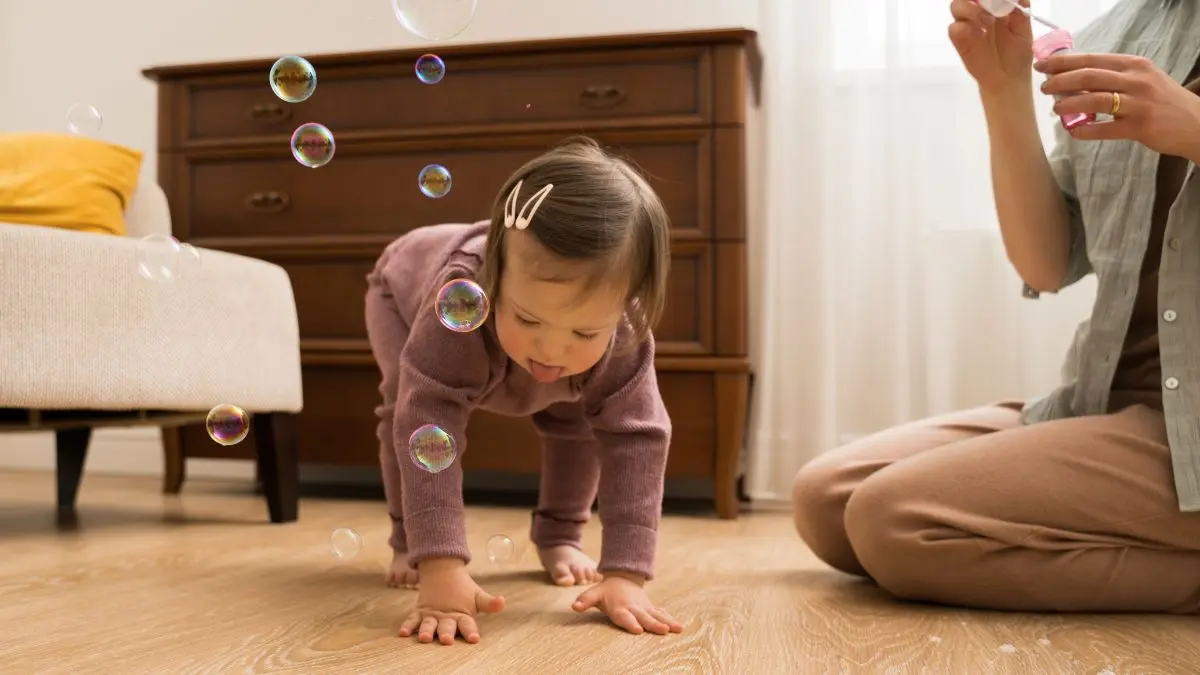
DIR Floortime for communication in autism builds shared attention, play, and social growth. See how small early signs can show real progress.
Key Points:
A child might try to connect long before they ever say their first word. A look, a smile, a sound, or a hand pulling you toward a toy are all ways of talking. For many children with autism, communication and social skills grow together, with one often helping the other.
This is why DIR Floortime for communication in autism focuses on shared attention, back-and-forth play, and emotional bonds instead of just asking for spoken words.
Many children with autism do more than just struggle with words. They might also find it hard to notice faces, share attention, wait for a turn, or read simple social cues. Early communication often looks like:
These early signals matter. They show a child is learning that another person can be part of their world. That feeling makes interacting feel safer and more fun over time. Since about 25% to 30% of children with autism stay minimally verbal past age 5, early support usually looks at much more than just speech.
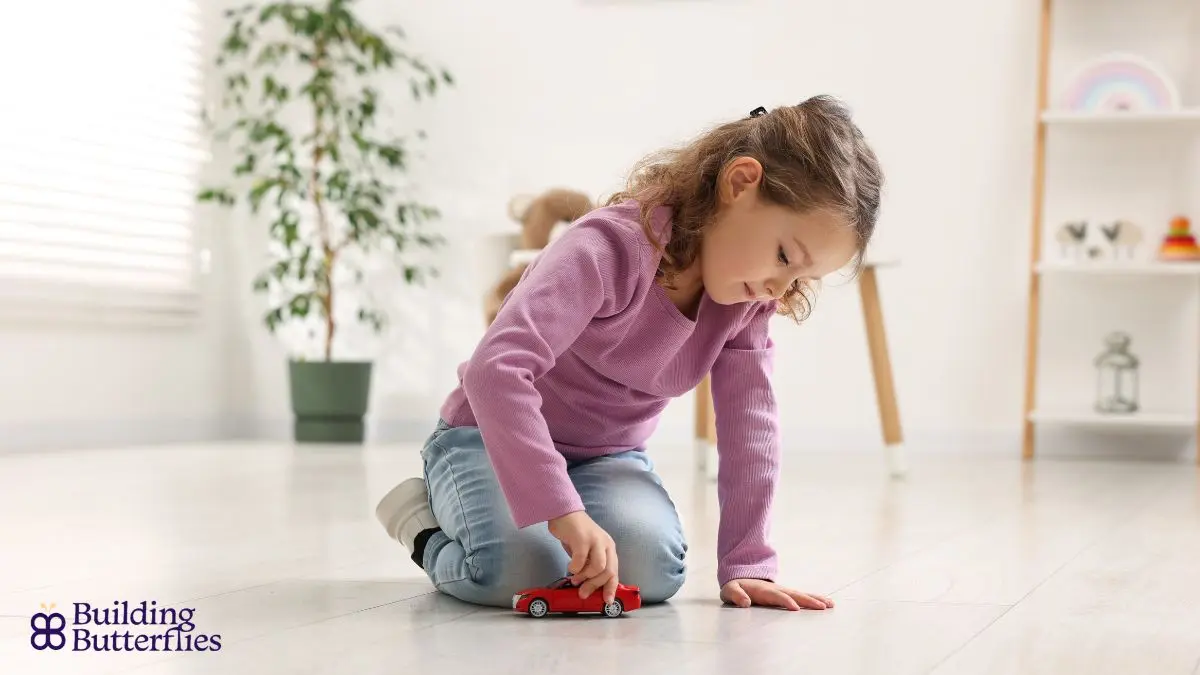
The DIR Floortime approach starts with what the child likes and how they feel. The adult joins in with what the child is already doing instead of taking over. The goal is not to force words on command, but to encourage more meaningful interaction.
Think of "circles of communication" as a simple exchange: one person does something, the other responds, and the moment keeps going. This can start with a glance, a gesture, or a playful move.
DIR Floortime often includes:
Shared attention happens when a child notices both a person and an activity at the same time. It is a major early step. When a child looks at a toy and then back at you, they are starting to include you in their experience.
This skill helps with language and social learning later on. Research from 2026 involving 1,165 children shows that focusing on joint attention helps kids improve both their social connection and their play skills.
Progress does not always begin with new words. In many children, growth shows up first in how they connect. That may include longer engagement, more shared smiles, or more clear intent during play. Floortime for building communication in autism often helps adults notice these early wins.
You may see:
These changes can show that communication is becoming more intentional. Speech may grow from that base, but progress still counts even when spoken language is not the first change.
Play gives children a natural way to practice social skills. During play, they may learn to take turns, share attention, read reactions, and stay with another person’s idea for a little longer. Play also gives children a reason to communicate.
When interaction feels enjoyable, a child may be more likely to return to it. Over time, pretend play and shared problem-solving can help support social-emotional growth and more flexible social thinking.
That is one reason Floortime therapy for social skills in autism in New Jersey can be a helpful phrase for families searching for support that connects play with real social growth.
Evidence from 2024 shows that play-based support led by parents helps preschool children gain both social and language skills.
Early wins can be quiet. A child might stay with you longer, bring you a toy more often, or check your face before doing something again. These changes are easy to miss if you only look for new words.
Progress can also be bumpy. A child might connect more in quiet places and less when they are tired or overwhelmed. That does not mean they lost the skill; it just means the skill is still getting stronger.
Common early signs include:
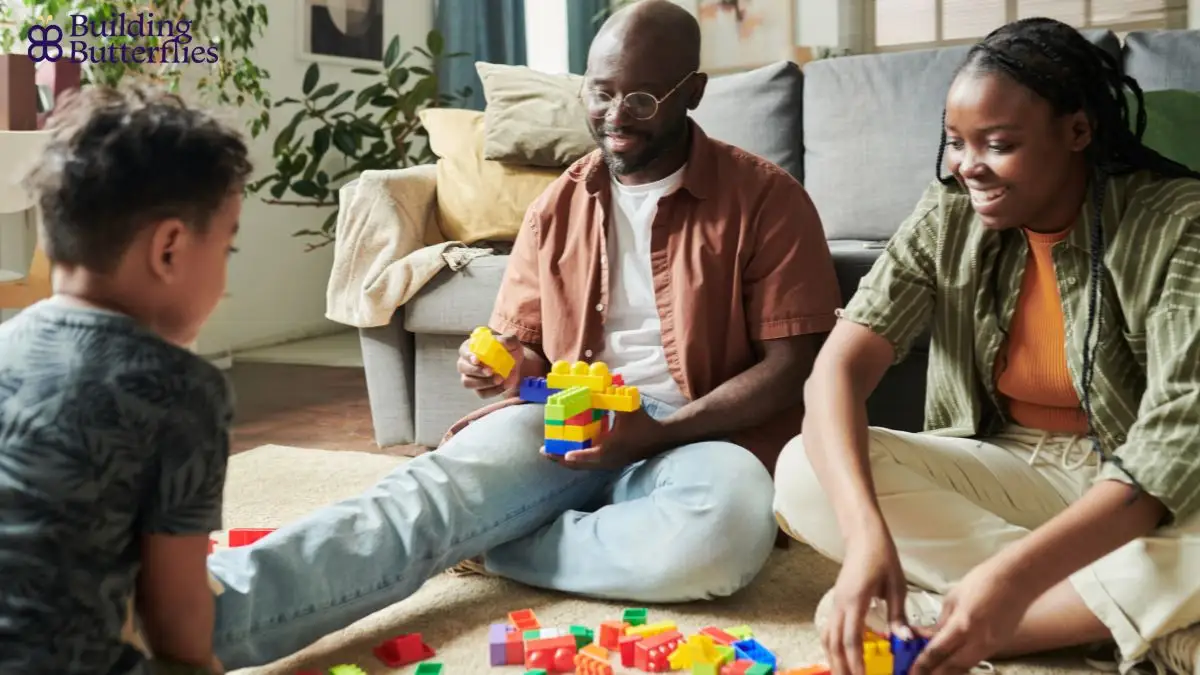
Therapists and caregivers see the best results when they look for the same types of progress. A therapist might show how to join in play, wait, and gently keep an interaction going. Caregivers then use those same steps at home between sessions during everyday moments like snack time, bath time, or playing on the floor.
This shared focus helps adults notice the connection, not just the words. It also gives children more chances to practice with the people they know and trust. At Building Butterflies, we help families build these interaction skills using DIR Floortime in homes, schools, and clinics.
Reliable DIR Floortime communication support for autism in New Jersey works because progress happens fastest when the style of interaction stays the same across every setting.
A natural use of DIR Floortime communication support for autism in New Jersey works here because progress happens fastest when the style of interaction stays the same across every setting.
Slow progress can still be real progress. Communication may begin with regulation, attention, and shared enjoyment before spoken language changes. Individual differences in sensory load, motor planning, and language processing can all affect how quickly a child shows new skills.
It helps to look for small relational gains:
A pediatrician or speech therapist might also join the team to look at hearing, feeding, or general development. A wider team helps families understand what is working and what support matches best.
Yes. It supports the building blocks of talking, like shared attention, gestures, and turn-taking. These skills form the base for language later on.
Yes. Both focus on the intent to communicate. The International Council on Development and Learning, Inc., or ICDL, describes speech therapy as one part of a broader program, so many children benefit from using both together.
No. ICDL explains that this approach is used for all ages. The activities change based on the person's age and needs, but the focus on the relationship stays the same.
Communication and social growth often begin with shared attention, playful back-and-forth, and feeling safe with another person. A child does not need clear speech for progress to begin, because early connection can show up through looks, gestures, sounds, and shared play.
At Building Butterflies, we help families across New Jersey support communication, interaction, and social growth through DIR Floortime. We offer in-home therapy, school-based support, and clinic services for children who may benefit from a relationship-based approach. Reach out to our team to ask questions and see how DIR Floortime can help your child.

Your child holds incredible potential. At Building Butterflies, we use DIR Floortime Therapy to nurture development at the root, not just the surface, helping them connect, communicate, and flourish.
Contact us now to find out if your child can benefit from DIR Floortime Therapy.


©2026 Building Butterflies. All rights reserved.
Website Created By: Summit Group
