Understanding Your Child's Individual Differences in Autism: A Parent's Guide to DIR Floortime
Individual differences in autism shape how your child senses, feels, and connects. Learn how DIR Floortime therapy supports your child's unique profile.

Individual differences in autism shape how your child senses, feels, and connects. Learn how DIR Floortime therapy supports your child's unique profile.
Key Points:
Some days, your child feels easy to read. On other days, the same sound, toy, or routine brings a completely different reaction. Many parents feel confused when advice from books or professionals does not match what they see at home.
Individual differences in autism describe these unique patterns in how your child senses, feels, thinks, and connects. When therapy respects those patterns instead of fighting them, progress often feels calmer and more meaningful.
Individual differences in autism are central to the DIR model. DIR stands for Developmental, Individual-differences, Relationship-based. It is a framework that examines a child's developmental stage, how their nervous system works, and how relationships support growth.
“Individual differences” in the DIR model include things like:
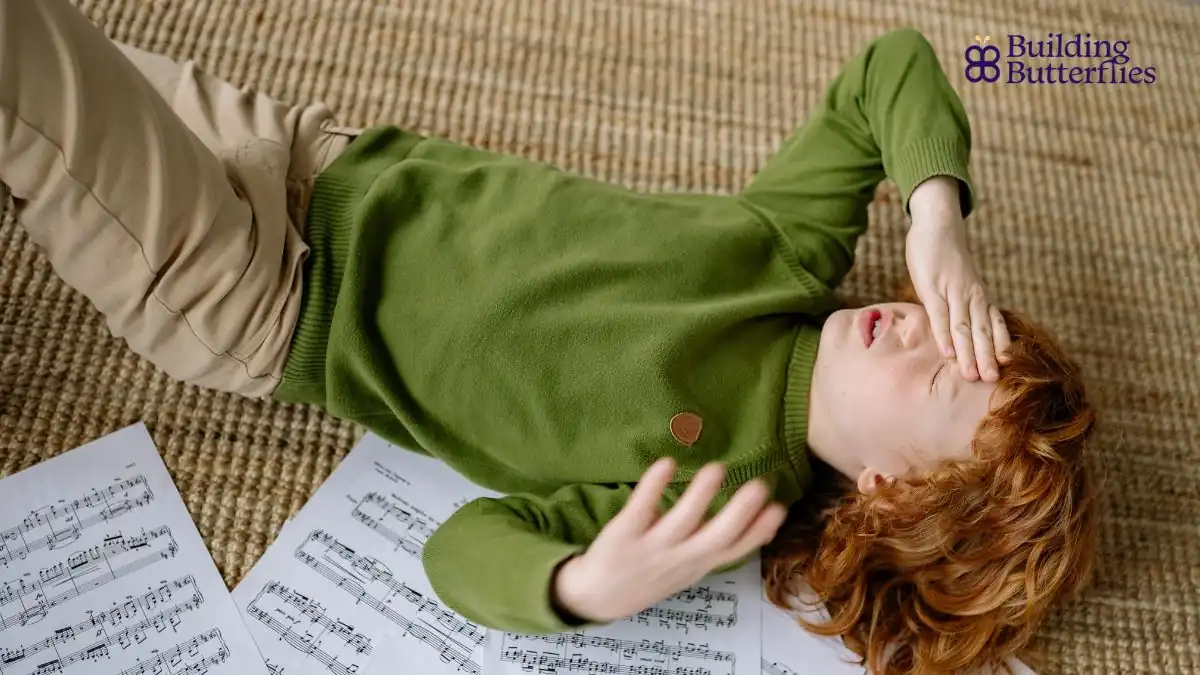
Two children can share the same autism diagnosis but have very different sensory profiles. One may love spinning, loud music, and deep-pressure hugs. Another may cover their ears in a vacuum, avoid crowds, and prefer a gentle touch. These are neurological differences, not choices or “misbehavior”.

Parents often sense that something deeper is going on underneath “behavior”. Looking at four common areas can make those patterns easier to see.
Sensory processing differences in autism are very common. Several reviews suggest that around 90% or more of people on the spectrum experience sensory differences that strongly affect daily life.
You may notice:
These patterns form part of your child’s sensory profile. Autism is described in diagnostic manuals as including unusual responses to sensory input, such as being very sensitive, under-responsive, or seeking more input than others.
Emotional regulation in autism can look very different from one child to the next. One child may go from calm to meltdown in seconds when a routine changes. Another may shut down and go quiet when overwhelmed.
Research links sensory differences and emotional regulation, showing that unusual sensory processing often accompanies strong emotional reactions or withdrawal.
Some children speak in full sentences but repeat phrases from shows. Others use a few words, signs, pictures, or devices. Some mainly communicate through gestures, facial expressions, or movement. These are individual communication profiles, not just “delays”.
You might see:
DIR Floortime helps you read these four areas as information about how your child’s brain works, so support can match what your child actually needs.
Many programs focus on teaching specific skills in a standard order. The therapist may use the same materials, prompts, and aim for the same “mastery” steps for nearly every child.
When therapy overlooks individual differences, several things can happen:
Studies on sensory processing and autism show that sensory differences can shape behavior, learning, and participation at home and in school.
Personalized autism therapy looks underneath the behavior. A child who leaves the table during handwriting may be dealing with low muscle tone, sensory fatigue, or visual strain. A child who avoids eye contact may be protecting themselves from sensory overload, not rejecting connection.
DIR Floortime builds on this more respectful view. The goal is not to force every child to respond the same way. The goal is to understand why your child acts as they do and build support around that pattern.
DIR Floortime is a relationship-based therapy approach that uses play and emotional connection to promote development.
A DIR Floortime clinician begins by carefully observing your child:
From there, the therapist maps your child’s current functional emotional developmental milestones, such as:
Sessions then build on your child’s individual profile:
This is a neurodiversity affirming therapy style. Instead of trying to remove autistic traits, DIR Floortime works with the brain your child has, honoring sensory profiles of autism instead of fighting them.
Over time, the therapist helps you use the same style at home so your everyday interactions become “Floortime moments” that support growth.

Starting any new therapy can feel like a big step. Knowing what DIR therapy individual needs work looks like can ease some of that stress.
A personalized autism therapy assessment in the DIR model often includes:
You play an active role. Your stories about how your child responds at home, in the car, at the store, or at family events help the therapist understand developmental individual differences that may not appear in a short clinic visit.
From this, the team creates a tailored developmental therapy plan. Goals are written in everyday language, such as “stay in back-and-forth play for a few more turns” or “accept one small change in a familiar routine with support”. The plan changes as your child grows and as you discover what works best.
Many DIR Floortime services, including those at Building Butterflies, may offer:
All of these options grow from the same belief: therapy should start with who your child is, not just what they “should” be able to do.
You spend the most time with your child. Small changes in how you observe and respond can support the same child-centered therapy approach at home.
Helpful steps include:
Play-based therapy ideas for child development transfer well to the home. Reading a book together, rolling a ball back and forth, or sharing a silly song can all become informal Floortime if you are tuned in to your child’s sensory profiles, autism, and emotional signals.
Yes, autism is considered a form of individual neurological difference because autism involves measurable differences in social processing, sensory processing, and communication. Autism also varies widely across people, so daily strengths and support needs differ person to person. The DIR model reflects this by tailoring support to each child’s unique neurological profile rather than removing traits.
Genetics contributes most of the risk for autism, with twin and family studies estimating about 70%–90% heritability and a large population study estimating about 80%. Autism genetics involves hundreds of associated genes, not one cause. Prenatal and environmental factors can interact, and vaccines do not cause autism.
The 6-second communication rule is a pause of about 6 seconds after a question or instruction before repeating or adding prompts. The rule helps some autistic children because language and sensory processing can take longer, and extra wait time reduces pressure and increases accurate responses and participation.
Individual differences in autism are not obstacles to progress. They are the map that shows how your child’s brain, body, and emotions work together. When therapy honors those differences, children often feel safer, more engaged, and more open to learning new skills.
DIR Floortime is built around this idea. It looks at developmental levels, sensory and motor profiles, and relationships, then designs support that grows from your child’s strengths.
For families in New Jersey seeking a relationship-based, child-centered therapy approach, Building Butterflies offers DIR Floortime services in home, school, and clinic settings so support can happen where your child lives and learns.
If you would like to explore whether this approach matches your child’s needs, you can reach out to schedule a conversation. Ask questions about DIR Floortime, and learn how our team can help you understand and support your child’s individual profile in everyday life.

Your child holds incredible potential. At Building Butterflies, we use DIR Floortime Therapy to nurture development at the root, not just the surface, helping them connect, communicate, and flourish.
Contact us now to find out if your child can benefit from DIR Floortime Therapy.


©2026 Building Butterflies. All rights reserved.
Website Created By: Summit Group
