Beyond the Therapy Room: How to Extend DIR Floortime at Home Between Sessions
DIR Floortime at home extends therapy through daily routines like meals and bath time. Learn practical strategies to build connection between sessions.
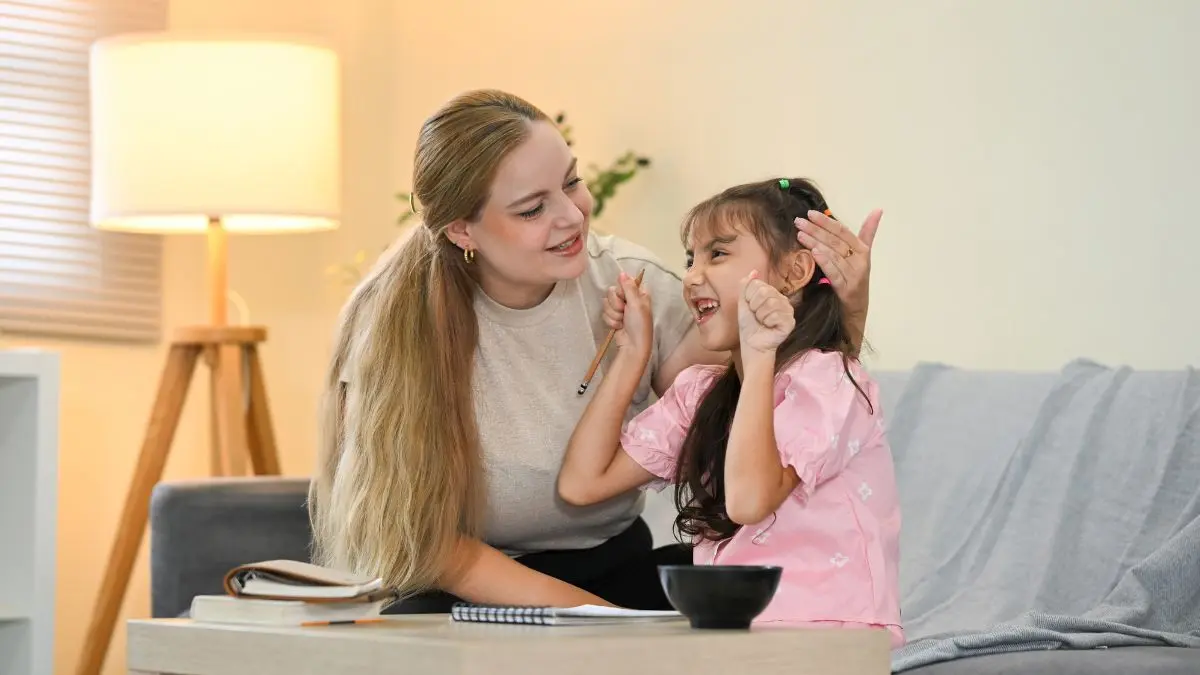
DIR Floortime at home extends therapy through daily routines like meals and bath time. Learn practical strategies to build connection between sessions.
Key Points:
DIR Floortime therapy at home can feel exciting during sessions, but it can also feel a little lonely once the therapist leaves. You may replay every suggestion in your mind and still wonder what to do during the rest of the week.
The therapy turns everyday moments into opportunities for connection, rather than reserving growth for the clinic. A recent review of 12 studies found that home-based Floortime improved communication, daily living skills, and parent–child interaction for many children on the spectrum.
The sections below show six practical ways to use this approach between sessions, woven into the day rather than added as another long task.
DIR Floortime grew out of the DIR model developed by Stanley Greenspan and colleagues at ICDL. The approach looks at how children move through developmental stages when adults respond to their emotions, sensory needs, and interests in warm, consistent ways.
Instead of focusing only on drills or isolated skills, DIR places shared emotional experiences at the center of learning.
It usually rests on three simple pillars:
The therapy does not need perfect scripts. The goal stays simple: more frequent, more joyful circles of communication during the day.

Morning can feel rushed, yet it offers many chances for daily routines of autism development work. Small, playful changes can turn “getting ready” into rich parent-child interaction therapy.
You can start by choosing one part of the morning and slowing it down by a few seconds. That pause gives your child time to signal before you act. You still reach school or daycare on time. You just trade a little speed for more shared connection.
Examples:
Floortime techniques for parents during morning routines often come down to three steps: notice, join, and wait. DIR Floortime strategies parents learn in sessions gain strength when you repeat them in these small moments.
Following the child’s lead can feel easy when they invite you to play. It can feel much harder when they line up toys, flap, or retreat.
You can try:
These moments may support emotional regulation, which children need to return to more active play. The goal is to open a circle, then give your child as much time as needed to close it, instead of closing it for them.
Sensory processing autism play often looks repetitive on the surface, yet it can be a rich doorway into connection when you join rather than redirect right away.
Play-based therapy for autism approaches see play as the main engine for learning, not just a break from learning. DIR Floortime at home uses both free play and gentle structure, always centered on your child’s interests.
Two simple modes help keep this clear:
Child-led play intervention at home is most effective when challenges remain small and timed for moments of calm. If your child starts to pull away, return to pure joining. Structured challenges make sense only when the connection already feels solid.
Over time, these little puzzles invite problem-solving, more circles of communication, and longer engagement without pressure.
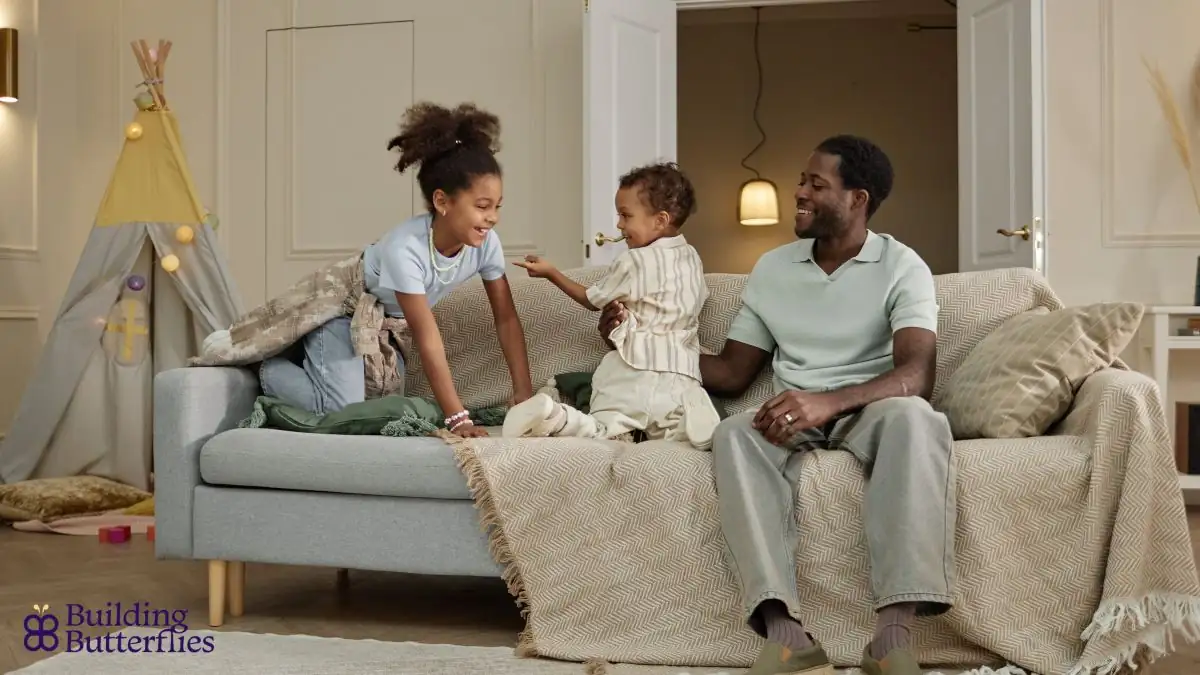
Parents sometimes hear that Floortime should reach 2 to 5 hours per day. Practical guidance notes that this can be broken into 20- to 30-minute sessions, repeated several times, often 6 to 10 times a day.
ICDL now suggests around 12 hours per week of DIRFloortime interaction with family and other natural supports, including both sessions and everyday activities.
DIR Floortime at home does not need a rigid schedule to reach these hours. You can blend a short Floortime daily schedule with many informal touchpoints. For example:
Home-based autism therapy gains power when these moments stay warm, predictable, and frequent. Quality of attention usually counts more than exact minutes on a clock.
DIR Floortime works best when parents and therapists share a clear plan. Many programs include caregiver coaching autism sessions where you practice specific interaction styles and then repeat them at home.
You can ask your therapist to:
Teaching parents Floortime therapy usually includes live modeling, feedback, and small steps of home practice rather than long lectures. In-home developmental therapy and caregiver coaching can help parents in New Jersey feel less alone as they support their child's progress between visits.

The main difference between DIR and Floortime is that DIR is the guiding framework: Developmental, Individual Differences, Relationship-based. That explains how to support development through emotional connection tailored to a child’s sensory and learning profile. Floortime is the practical method that applies DIR through play by following the child’s lead and building circles of communication.
DIR Floortime therapy typically costs about $80–$250 per hour in the United States, with prices varying by location, provider training, and session format. Parent-coaching and group programs often cost less per session, while week-long intensives can run about $3,950–$4,950. Insurance coverage depends on your plan and network.
DIR Floortime therapy usually lasts as long as a child continues progressing, because the model has no fixed end date. DIR Floortime often starts with 20–30-minute sessions, repeated several times daily, sometimes totaling 2–5 hours of shared play. Comprehensive programs target about 12 hours per week across routines.
Home practice after sessions can feel like a heavy load, yet it can also become the place where your child’s gains truly take hold. The ideas above show how you can extend DIR Floortime at home during morning routines, quiet sensory play, shared games, a simple daily rhythm, and regular check-ins with your therapist.
Building Butterflies offers DIR Floortime therapy for children on the spectrum and with other developmental differences across New Jersey, including in-home therapy sessions and school-based support that align with each family’s goals.
Get in touch with us today. Schedule an initial call, or learn how our team can support your family’s DIR Floortime plan so daily life starts to feel more connected between sessions.

Your child holds incredible potential. At Building Butterflies, we use DIR Floortime Therapy to nurture development at the root, not just the surface, helping them connect, communicate, and flourish.
Contact us now to find out if your child can benefit from DIR Floortime Therapy.


©2026 Building Butterflies. All rights reserved.
Website Created By: Summit Group
