DIR Floortime Therapy In Lakewood, NJ: A Guide For Ocean County Families Exploring Autism Support
DIR Floortime therapy in Lakewood, NJ helps parents read cues, join play, and build calmer interactions. See what coaching sessions can include.

DIR Floortime therapy in Lakewood, NJ helps parents read cues, join play, and build calmer interactions. See what coaching sessions can include.
Key Points:
A child may already have therapy on the calendar, yet the small moments at home can still leave caregivers unsure what to do. A pause, a look away, a repeated sound, or a toy used the same way each time can all carry meaning.
That is where DIR Floortime therapy in Lakewood NJ can help caregivers feel included in the process. DIR Floortime parent coaching helps caregivers understand a child’s cues, join the child’s interests, and build more connected back-and-forth moments without turning every minute at home into therapy.
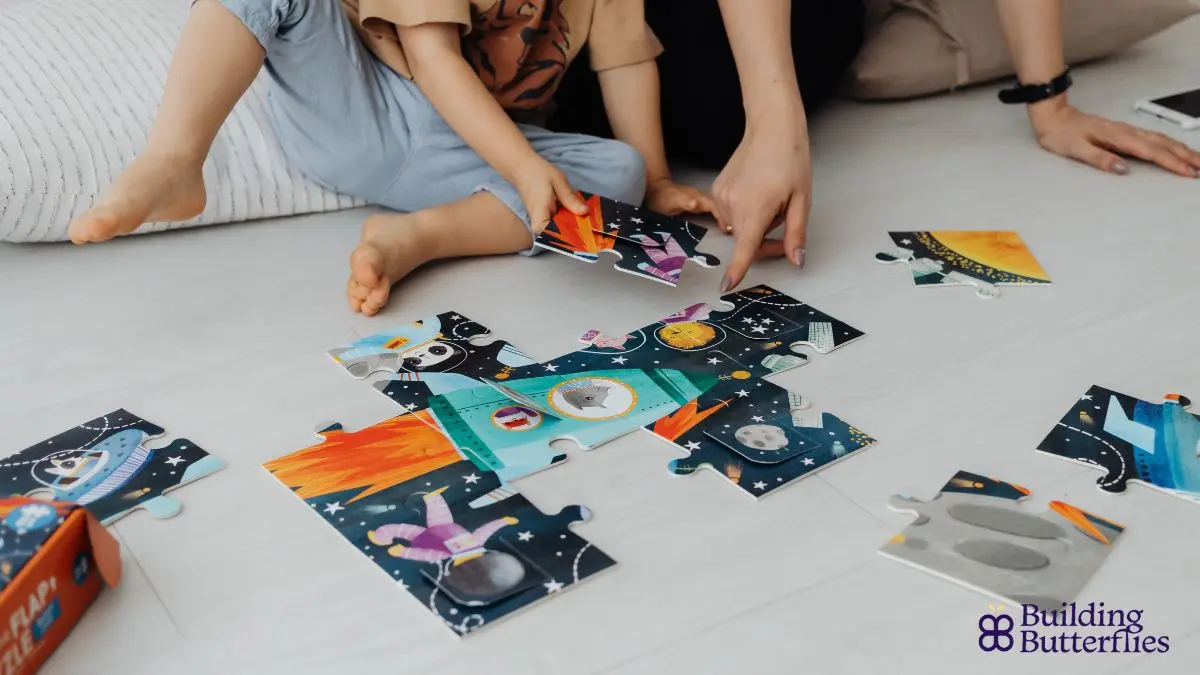
DIR Floortime in Ocean County NJ has become a common search for caregivers who want therapy that includes the whole family, not only the child in a session room.
Autism identification remains high in New Jersey. Current data reports autism identification at 1 in 31 children nationally and 1 in 29 children in New Jersey. The same data shows autism is more than 3 times more common in boys than in girls. About 40% of children with autism also have an intellectual disability.
Those numbers help explain why many local caregivers want autism support that feels practical. A child may communicate through movement, sounds, looks, play, or repeated actions. Parent coaching helps caregivers slow down and read those signals with more care.
In parent coaching, the clinician does not only work with the child. The clinician also helps the caregiver understand what is happening during the interaction.
A session may include:
The goal is not perfect play. It is a better read of the child’s signals.
Autism therapy in New Jersey can look different from one child to another, but DIR Floortime parent coaching often has a steady rhythm.
Coaching sessions don't follow a rigid script, but they do have a general shape:
For example, in DIR Floortime play therapy, if a child spins a toy wheel, the therapist may help the caregiver notice whether the child is inviting shared attention, avoiding a demand, or seeking sensory input. That small detail can change the caregiver’s response.
At Building Butterflies, we provide real-time and video-supported parent coaching as part of autism therapy in Lakewood, New Jersey, where caregivers learn to follow the child's lead and expand back-and-forth interaction, also called circles of communication.
A search for “Floortime therapy near me in Lakewood, NJ” often leads to another question: How often should coaching happen? The answer depends on several factors.
Here's a general breakdown:
Insurance authorization can also play a role in how often sessions happen. The best frequency for your family should be worked out with your child's clinician after intake.
This is where coaching shifts from watching to doing. Child therapy for autism in Lakewood, NJ can give caregivers a clearer way to understand interaction. DIR Floortime coaching focuses on what caregivers notice, how they respond, and how they help the child stay connected.
Caregivers may learn how to:
Research on parent-implemented autism interventions supports caregiver coaching and feedback as useful parts of intervention planning. Children with autism can benefit when caregivers receive support in how to use strategies during normal interactions.
Learning to read your child isn't a clinical skill. It's a relational one. And it can change what daily life looks and feels like for both of you.

Some caregivers asking about DIR therapy in Toms River, NJ or nearby areas want to know how progress is measured when the work looks playful. Therapists may track several areas during sessions.
They may watch:
Progress may look small at first. It may be a longer look, a shared smile, a gesture, a sound, or a few more seconds of interaction. Those small moments can give the clinician helpful information about what to practice next.
Caregivers who plan to enroll in DIR Floortime therapy in Lakewood often bring honest concerns into the first call.
“What if my child does not play with me?” Coaching can begin with what the child already does, even if that means watching, moving, lining up toys, or repeating one action.
“What if I feel awkward?” Parent coaching often includes modeling, pauses, and feedback. The clinician helps the caregiver practice in a calm way.
“What if we tried other therapy before?” DIR Floortime can be discussed as a relationship-based option or addition, depending on the child’s needs and clinical fit.
“How do I choose a provider?” Caregivers can ask about DIR training, coaching style, parent involvement, and progress review.

DIR Floortime parent coaching can be done online when video sessions allow the clinician to observe caregiver-child interaction. Online coaching may include live feedback, video review, and discussion of child cues. The right format depends on the child’s needs, attention, safety, and family setup.
Caregivers can prepare for the first coaching session by noting what the child enjoys, avoids, repeats, and uses to communicate. Helpful notes may include favorite toys, sensory needs, hard times of day, and recent changes. A clinician may also ask for short interaction examples.
DIR Floortime parent coaching may work alongside other therapies when the child’s care team agrees on goals and communication. The approach can support relationship-based communication and interaction while other services address separate needs. Caregivers should tell each provider what services the child receives.
DIR Floortime parent coaching helps caregivers understand what happens during sessions, what they practice, and how progress may be reviewed. The right program should help caregivers feel more prepared without turning home life into a therapy checklist.
At Building Butterflies, we provide DIR Floortime therapy for families in Lakewood, Toms River, Ocean County, and nearby New Jersey communities through parent coaching, in-home support, and center-based sessions.
Contact us to talk through your child’s needs, verify coverage, and learn how our team can help your family begin.

Your child holds incredible potential. At Building Butterflies, we use DIR Floortime Therapy to nurture development at the root, not just the surface, helping them connect, communicate, and flourish.
Contact us now to find out if your child can benefit from DIR Floortime Therapy.


©2026 Building Butterflies. All rights reserved.
Website Created By: Summit Group
