5 Things Toms River Families Should Line Up Before DIR Floortime Begins
DIR Floortime Toms River preparation starts with five practical steps that can prevent intake delays. Check what to organize before sessions begin.
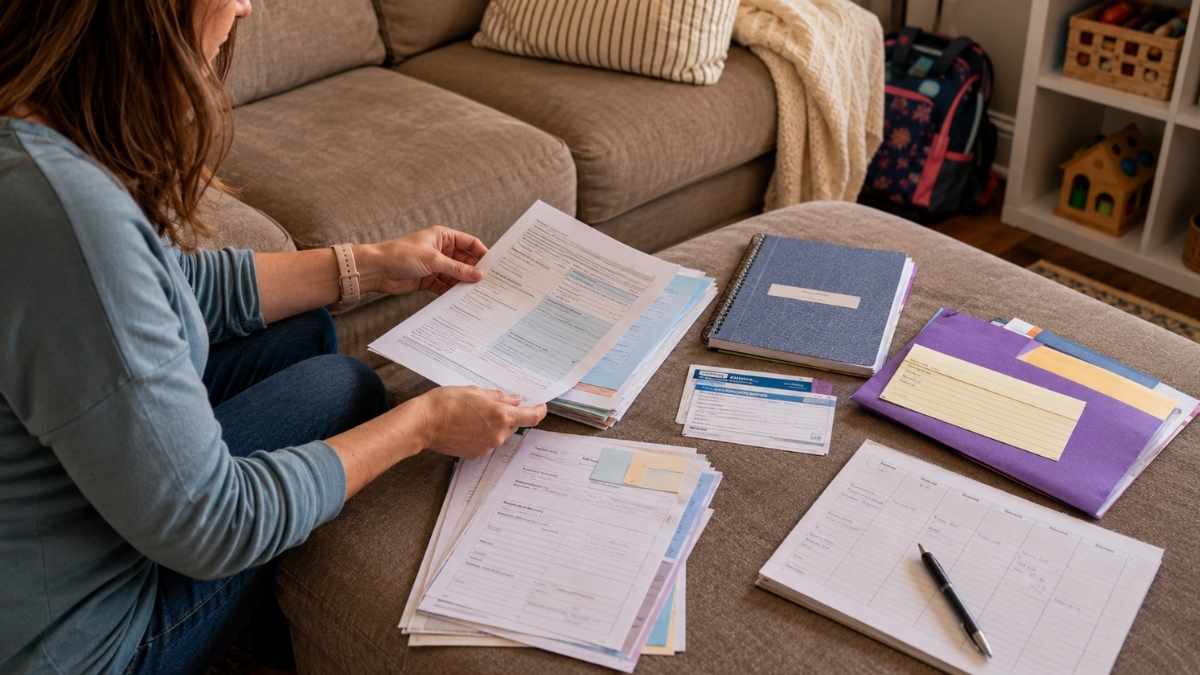
DIR Floortime Toms River preparation starts with five practical steps that can prevent intake delays. Check what to organize before sessions begin.
Key Points:
Before sessions begin, families seeking Floortime support in Toms River should gather current records, written insurance details, a starting session setting, one school contact, and a workable weekly schedule. Those five items help our intake team identify missing steps without asking you to build a binder or create a therapy room.
At Building Butterflies, families often contact us with the same practical questions: Which records should they send? What does insurance still need? How will sessions work around school? A short list helps us answer those questions sooner as you prepare for DIR Floortime in Toms River, especially when school routines and Ocean County travel affect the calendar.
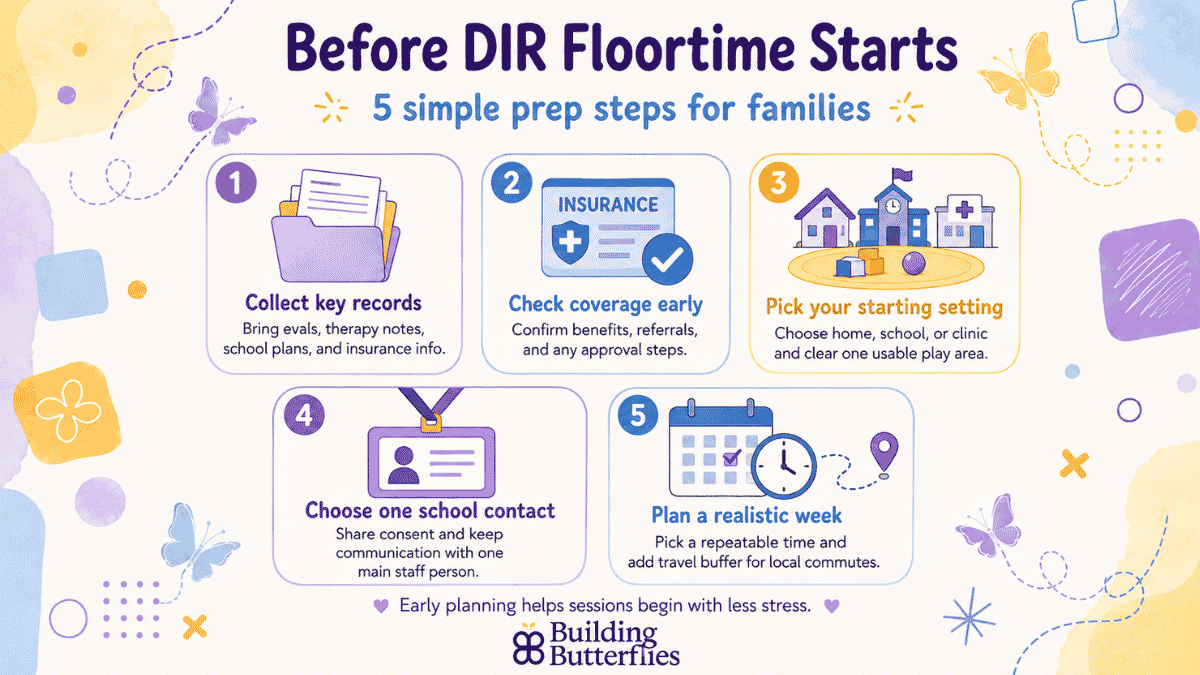
Collecting medical and educational records gives our team a complete picture of your child's history. Our DIR Floortime therapy team reviews these documents to learn about your child's strengths, developmental profile, and sensory needs without making you repeat your story multiple times. You only need to send copies, so keep your original paper documents safe in a folder at home.
Having these records ready helps our clinicians review your child's history before your first meeting:
Toms River Regional Schools uses educational records, teacher notes, medical history, and parent observations during Child Study Team evaluations. If your child already receives district services, you can request copies directly from the school before starting intake
Understanding your insurance coverage prevents unexpected bills and delays. Simply knowing a provider takes your insurance is different from confirming insurance coverage for DIR Floortime under your specific plan. Before we submit authorization requests, getting written details from your insurer creates a smooth start for DIR Floortime in Toms River.
Here are the primary questions to ask your insurance representative:
Our team verifies benefits directly with insurers, but keeping your own notes clears up confusion later. Save the representative's name, call date, reference number, authorization number, approved date range, and written benefit summary.
At Building Butterflies, we can review your starting records, check your insurance details, and discuss which session setting may match your child’s needs. Contact our team before your proposed start date so we can clear up any missing steps.

Deciding where sessions occur depends on your family's daily routine and your child's developmental needs. We offer sessions in homes, schools, and clinic settings across Ocean County. Home care lets children practice skills in familiar surroundings, school support aids peer interactions, and clinic environments offer a structured play space.
You do not need a special treatment room or expensive toys to start home sessions. A clean floor area in a living room or playroom is plenty. We want to see how your child interacts in their natural environment, so leaving regular household items visible gives us valuable insight into their daily routines.
Setting up your space takes only a few simple steps:
One family shared that in-home DIR Floortime therapy helped their daughter feel more relaxed and made sessions feel like play. That experience shows why preparation should protect familiarity rather than turn the room into a classroom.
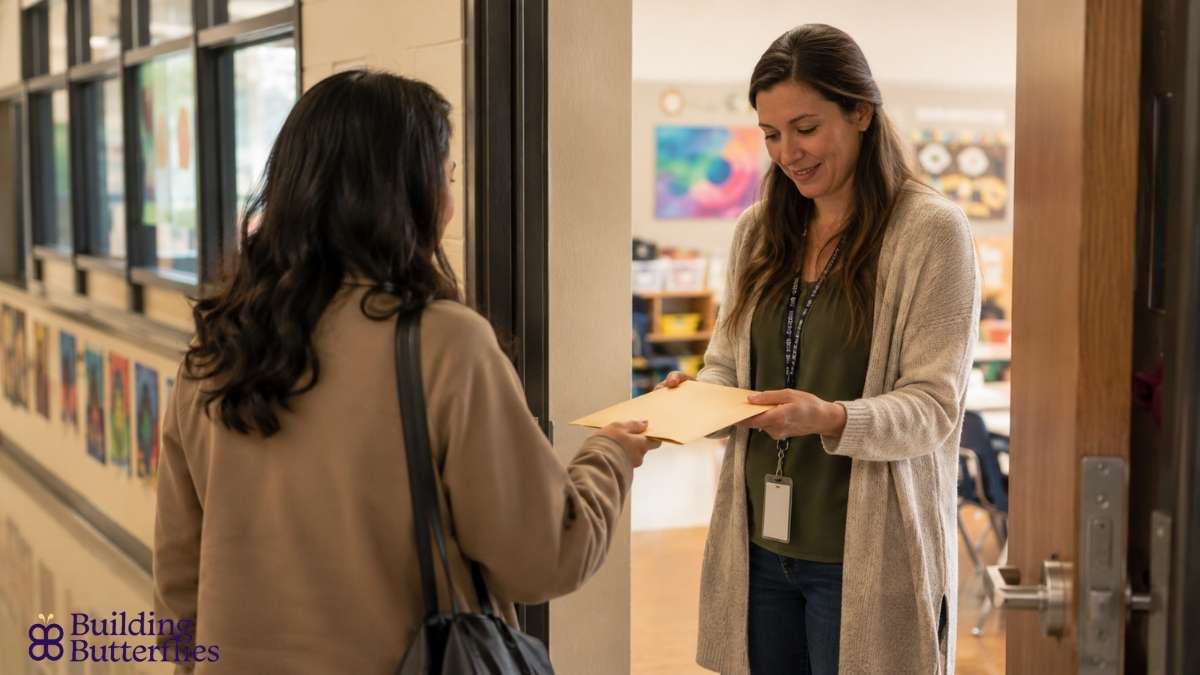
Connecting therapy strategies with school routines creates consistency for your child. Choosing one point person at school prevents confusing messages across multiple staff members. This contact might be a classroom teacher, case manager, Child Study Team member, or special education coordinator.
When coordinating autism support in Toms River, sharing these details with your school contact keeps everyone aligned:
We need formal written consent from you before speaking with educators about school-based DIR Floortime support or reviewing school records. While we share observations to support your child, school personnel handle all official IEP decisions.
Toms River Regional Schools recommends starting communication with the staff member closest to your child's daily schedule before scheduling formal meetings. Setting up this connection early ensures smooth delivery of DIR Floortime in Toms River.
Picking a repeatable session time keeps therapy consistent without creating extra stress for your family. A great schedule considers school hours, bus routes, meals, nap times, and caregiver work shifts. It also leaves room for travel time between local towns.
Ocean County traffic changes depending on the time of day and season. When scheduling sessions, factor in extra drive time along Route 37, Route 70, Route 9, or the Garden State Parkway. Building a buffer around appointments keeps sessions relaxed for everyone.
Follow these steps to build a practical routine for DIR Floortime in Ocean County:
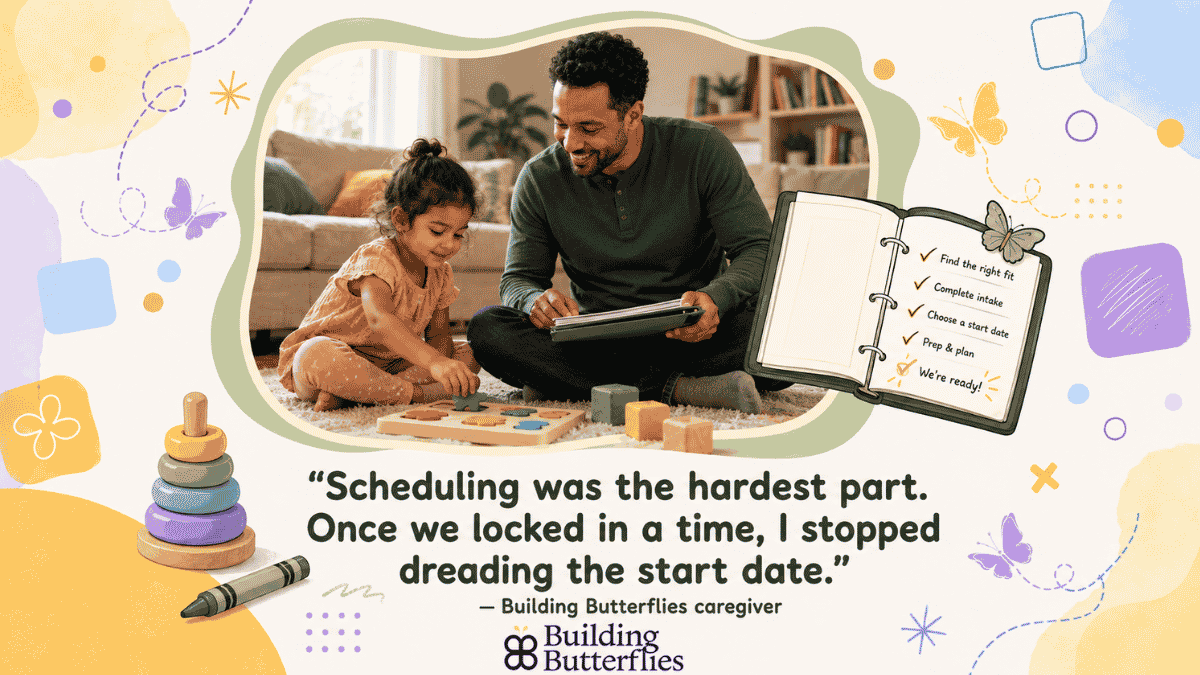
Working with a DIR Floortime therapist in Ocean County should feel manageable within your weekly routine. One parent described scheduling as the hardest part of an otherwise positive experience with our team. A repeatable slot and a realistic travel buffer can prevent that issue from disrupting care.
Our team begins by observing, reducing expectations, and joining activities your child already enjoys. Immediate participation is never required. One family told us their daughter stayed more relaxed during home sessions because the setting and play felt familiar.
Yes. Caregiver training and coaching can include watching play, practicing interactions, and discussing strategies for home routines. We adjust your involvement based on the session setting and what helps your child feel most comfortable.
Yes. DIR Floortime works alongside speech therapy, occupational therapy, and school programs. We encourage families to share provider contact details so every team member can align goals across services.
Gathering records, confirming insurance coverage, picking a session setting, setting up school communication, and building a practical schedule reduces avoidable intake delays. Having these items organized allows us to focus entirely on supporting your child's developmental growth from day one.
At Building Butterflies, we support families across Toms River, Brick, Lakewood, and surrounding Ocean County communities with in-home, school-based, and clinic care. Our experienced team works closely with parents to create meaningful, relationship-focused play experiences.
Call us at (973) 899-1816 or email info@buildingbutterflies.com. We will review your records, discuss available settings, and guide you through the next intake step.

Your child holds incredible potential. At Building Butterflies, we use DIR Floortime Therapy to nurture development at the root, not just the surface, helping them connect, communicate, and flourish.
Contact us now to find out if your child can benefit from DIR Floortime Therapy.


©2026 Building Butterflies. All rights reserved.
Website Created By: Summit Group
