DIR Floortime Therapy in New Jersey: What Sessions Look Like at Home, School, and Clinic
DIR Floortime therapy in New Jersey can look different at home, school, and clinic. See what sessions involve before your first visit begins.
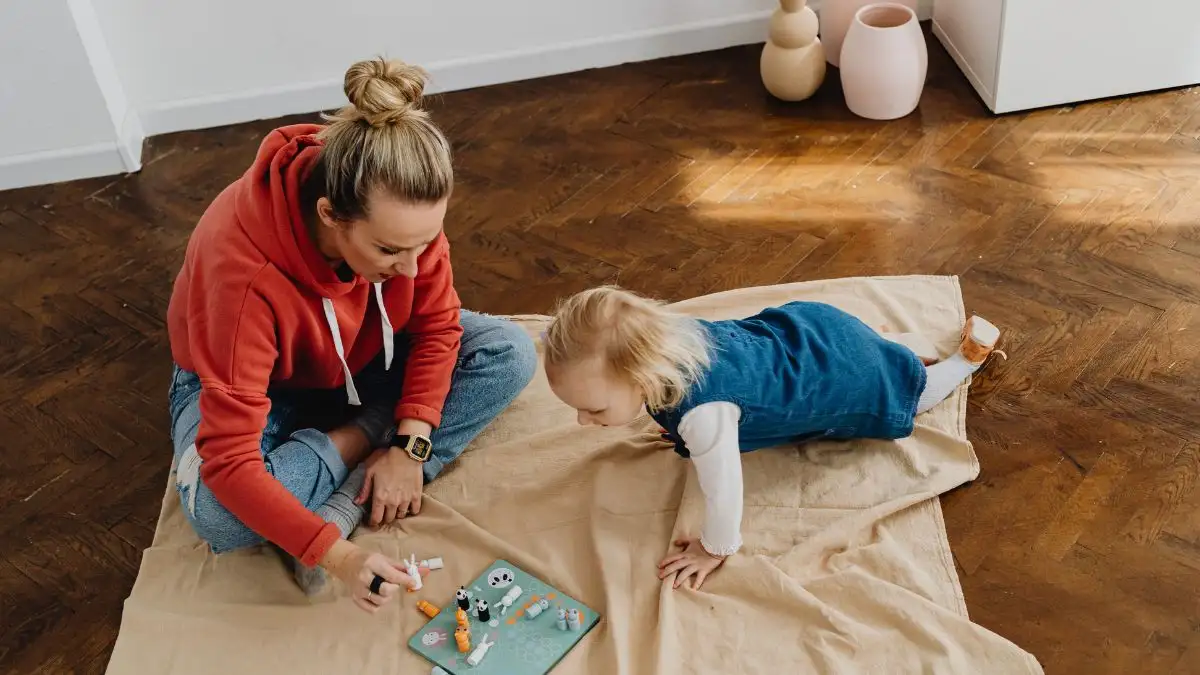
DIR Floortime therapy in New Jersey can look different at home, school, and clinic. See what sessions involve before your first visit begins.
Key Points:
Hearing about DIR Floortime Therapy in New Jersey is one thing. Picturing a real session is something else entirely. For many families, they are mainly after what actually happens when a therapist walks through the front door, steps into a classroom, or welcomes a child into a clinic.
It makes sense to wonder. Sessions look different depending on the environment, even though the core ideas remain the same. The goal here is to give you a clear picture of what to expect in each setting.
The question "What will my child’s sessions really look like?" is common because DIR is built around a child’s unique personality and relationships. These look different in a living room than they do in a busy classroom.
The core model is steady, but the scenery changes how things feel. Home is familiar and relaxed. School shows how a child handles a group routine. A clinic offers a quiet space for focused interaction. With autism affecting about 1 in 31 children (or 32.2 per 1,000 8-year-olds), more families are looking for these specific answers.

The first step usually starts before the play begins. A provider spends time learning about your child’s day, your concerns, and the moments that feel easy or difficult. This conversation helps shape the starting point for “DIR Floortime what to expect in NJ” searches.
A first visit might involve watching how your child plays, talks, handles changes, and reacts to lights or sounds. Some children jump right in, while others need time to feel safe.
A provider may ask about:
This information helps the team decide which setting is the best place to start. The goal is to find where your child feels most ready to connect. DIR Floortime is designed to help with self-regulation, engagement, and solving problems through real relationships.
Home-based Floortime therapy feels less like a lesson and more like a shared activity. A therapist starts with what the child likes, not a list of demands. A toy car, a snack, a favorite song, or a pillow game becomes the bridge to connection.
Since home is familiar, many children settle in faster. A therapist follows the child’s lead and slowly stretches the interaction into longer back-and-forth moments. Parents can watch, join in, or learn simple ways to keep the momentum going later that day.
Using Floortime at home often leads to better emotional health, clearer communication, and stronger bonds between parents and children.
Home sessions may include:
That is why if you search for “Floortime Therapy NJ Parents Guide,” you’ll see questions that often focus on daily routines. These include meals, cleanup, and getting dressed, which are perfect times to build attention and communication.
School-based Floortime support is different because the day is already in motion. A therapist might start by simply watching the classroom. The goal is to see how the child handles transitions, peer play, and group expectations during real moments.
A school-based session may include:
This setting shows how DIR Therapy for Autism in New Jersey supports communication and regulation during a typical day. Floortime can even help children interact more naturally with their peers in preschool settings.
Clinic-based Floortime therapy is often more focused. The space is designed for therapy, with fewer household distractions. A quieter room and a predictable setup can be very helpful for children who need a steadier environment to stay engaged.
Even so, a clinic session is never rigid. It stays playful and child-led. The therapist has the room to build longer interactions and support sensory comfort, noticing when a child is ready for the next step in problem-solving.
A clinic is not automatically the better setting. Some children may open up more at home or in school. Some may do well in a therapy room because the space feels calmer and easier to read.

The best plans connect every part of a child's life. The room may change, but the goals stay the same.
Those goals may include:
A child might practice taking turns during a clinic game, then use that same skill during snack time at home or play at school. Updates from teachers and parents help everyone see if a skill is growing in daily life.
A provider’s name is just the beginning. Good questions help you understand how the team works.
Helpful questions include:
Care should be thoughtful and based on what works. Extensive research has identified 28 evidence-based practices for autism care, and DIR is built on these foundational ideas.
DIR Floortime can be used across ages, including early childhood, when developmental concerns first appear. Earlier support may help because it gives children more time to build engagement, communication, and regulation, though support can still be useful later.
Yes. It is often part of a larger DIR approach that includes speech, OT, education, and mental health support.
Sessions can range from 2 to 5 hours a day for more intensive needs, though schedules vary based on the provider and the family's goals.
Sessions look different everywhere, but the goal is always a stronger connection and communication. A good match depends on where your child feels most ready to learn.
At Building Butterflies, we provide DIR Floortime through in-home, school, and clinic sessions for New Jersey families. Our team is happy to talk through what each setting looks like and what your child might need most right now.
If you are looking for DIR Floortime in your area, reach out to discuss next steps and what your first session could look like.

Your child holds incredible potential. At Building Butterflies, we use DIR Floortime Therapy to nurture development at the root, not just the surface, helping them connect, communicate, and flourish.
Contact us now to find out if your child can benefit from DIR Floortime Therapy.


©2026 Building Butterflies. All rights reserved.
Website Created By: Summit Group
